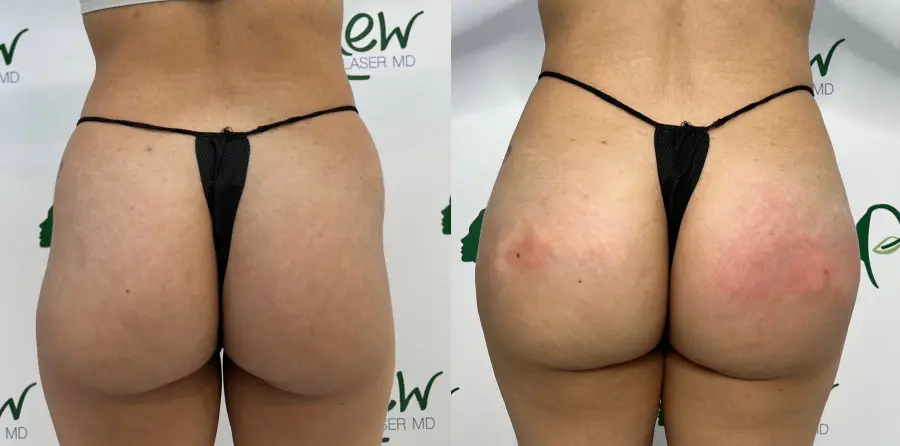
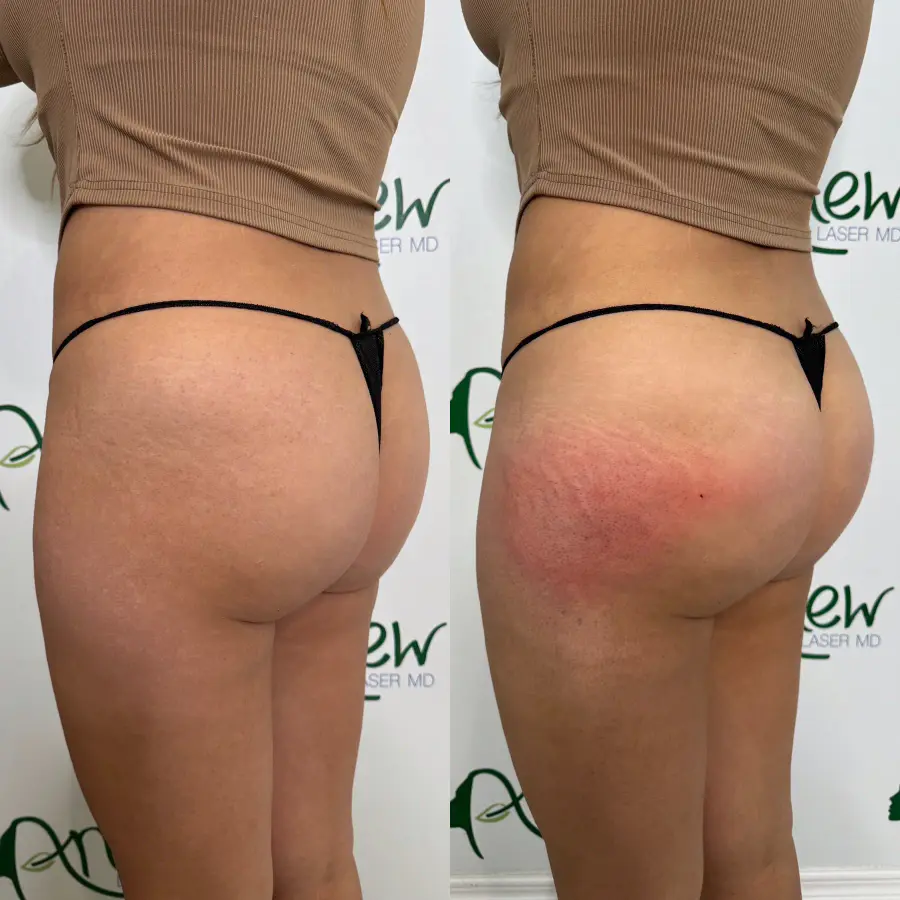
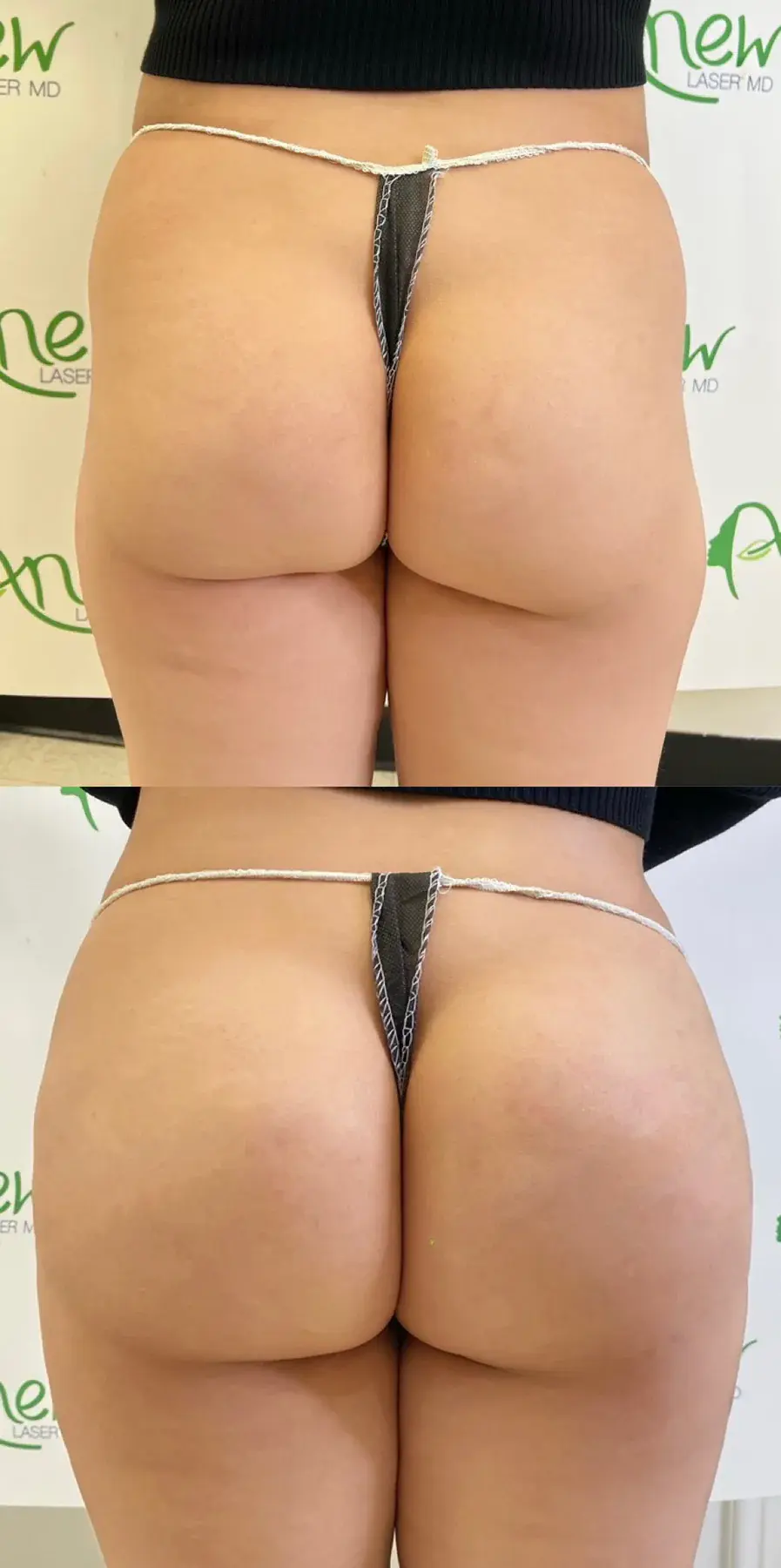
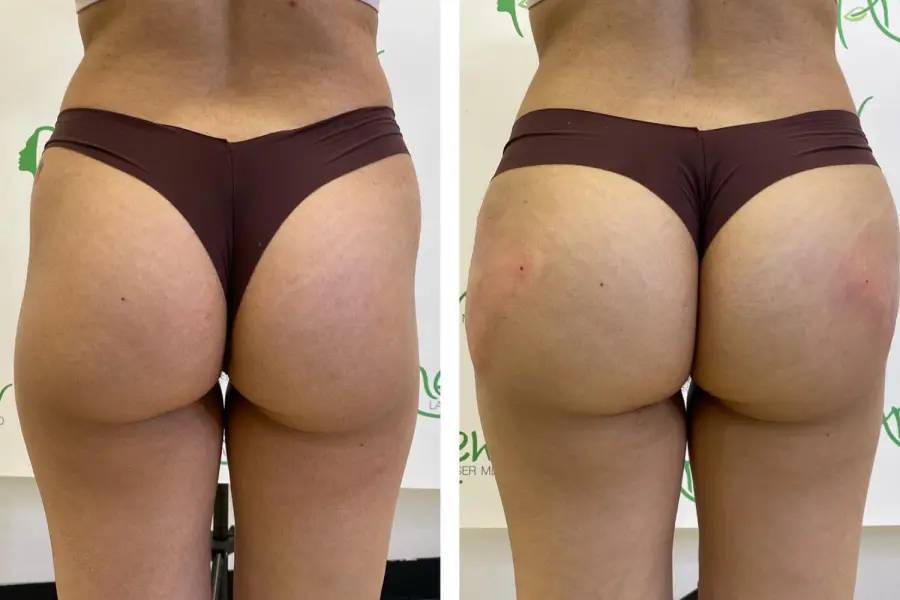
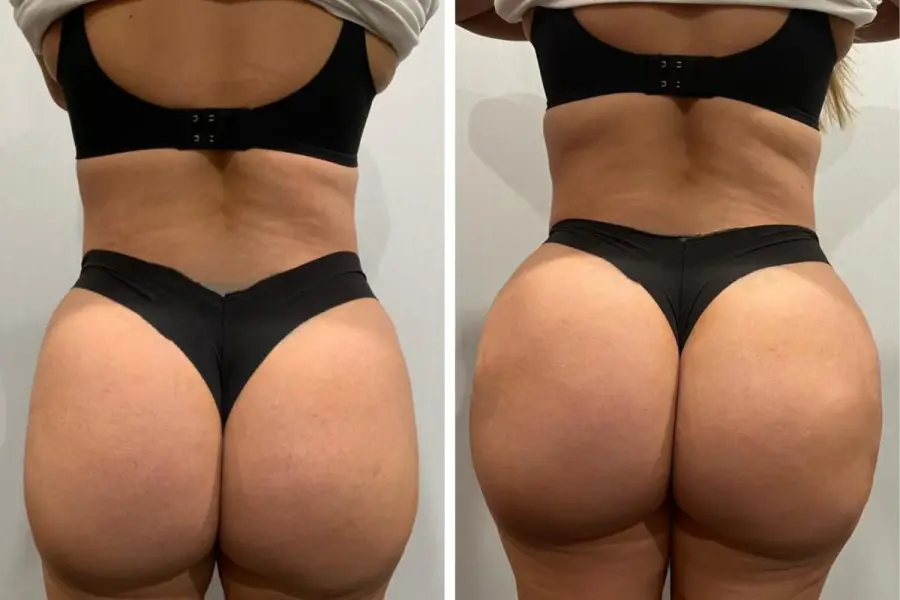
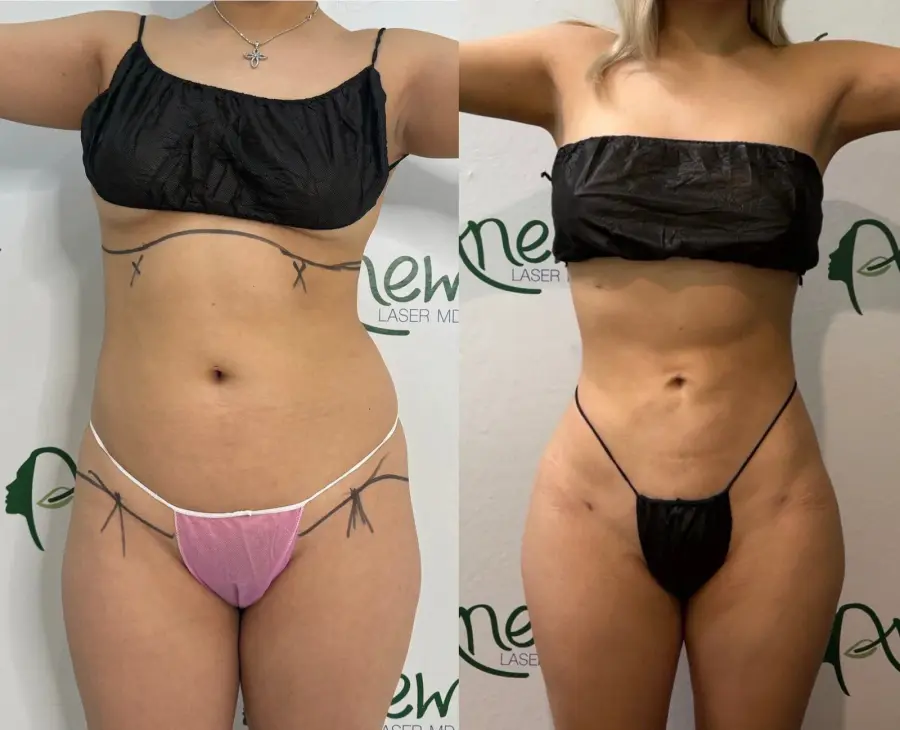
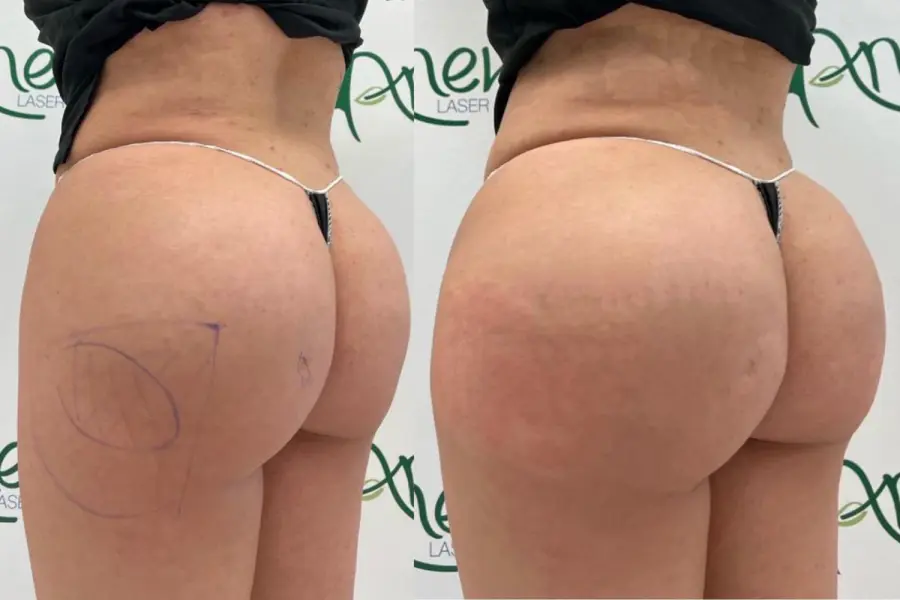
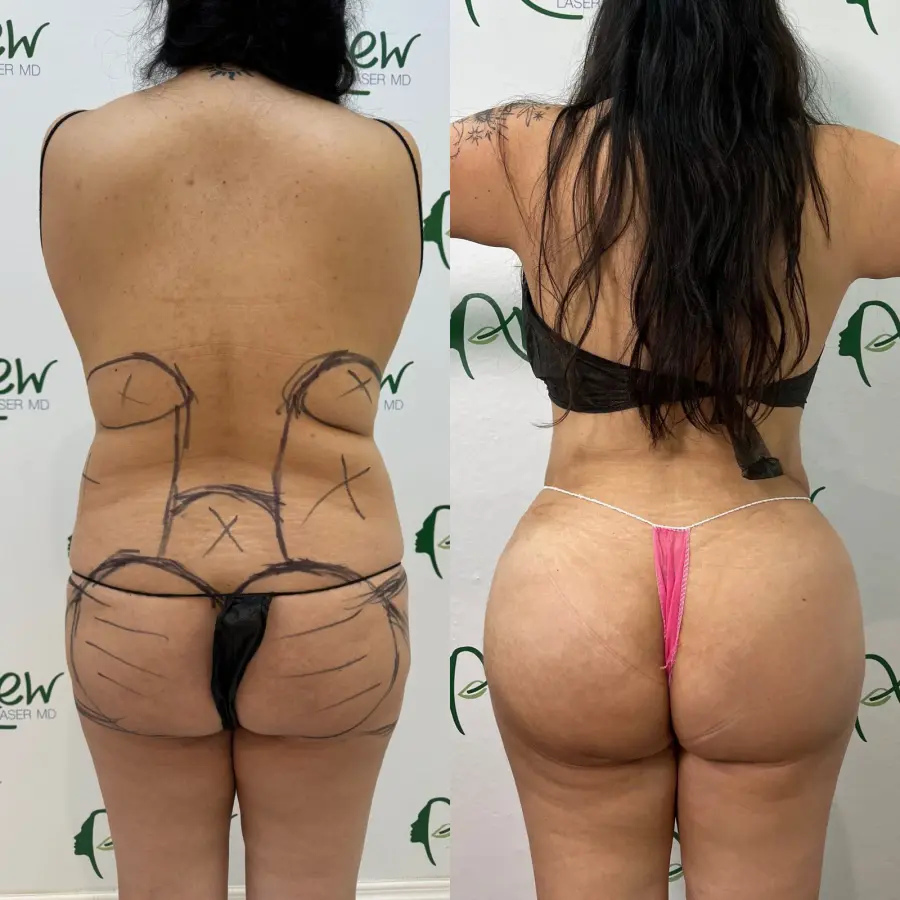
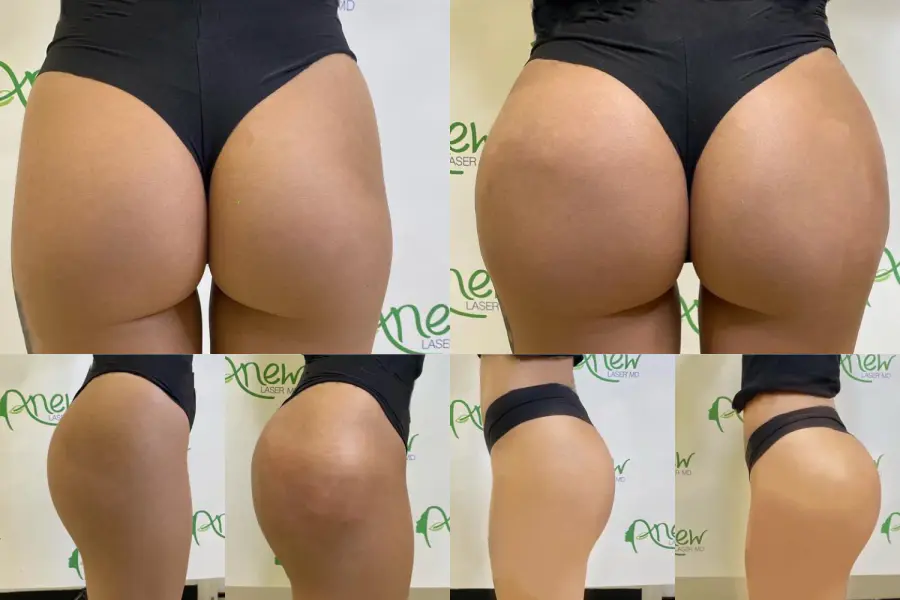
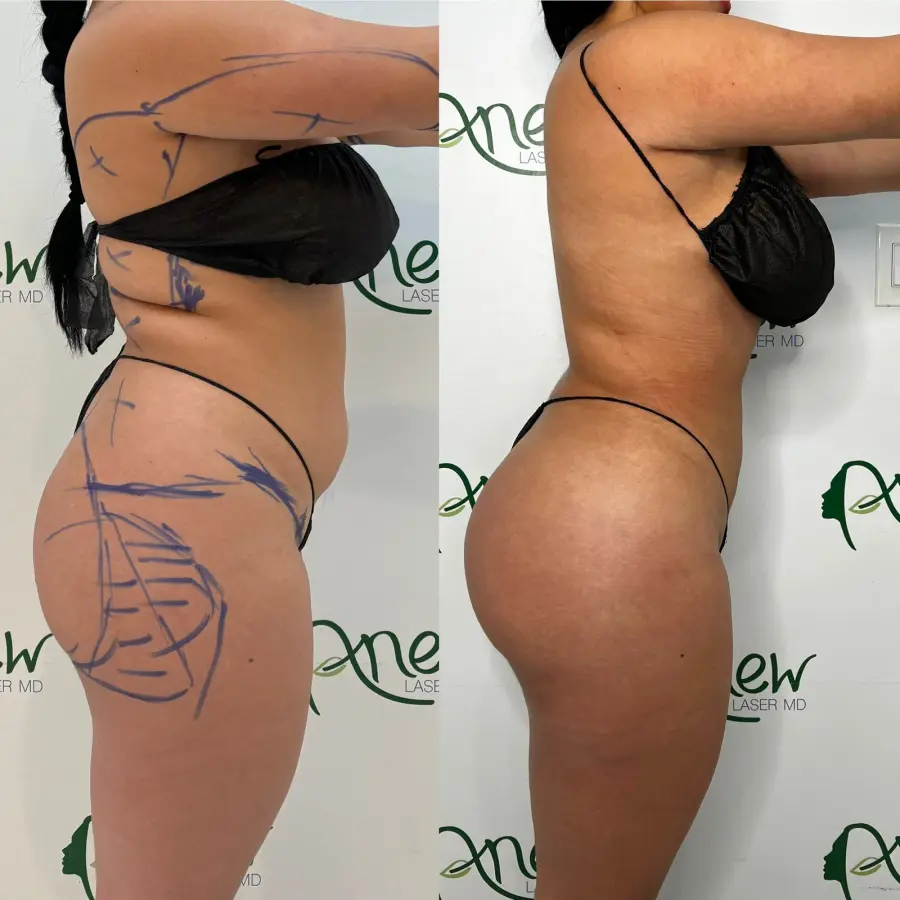
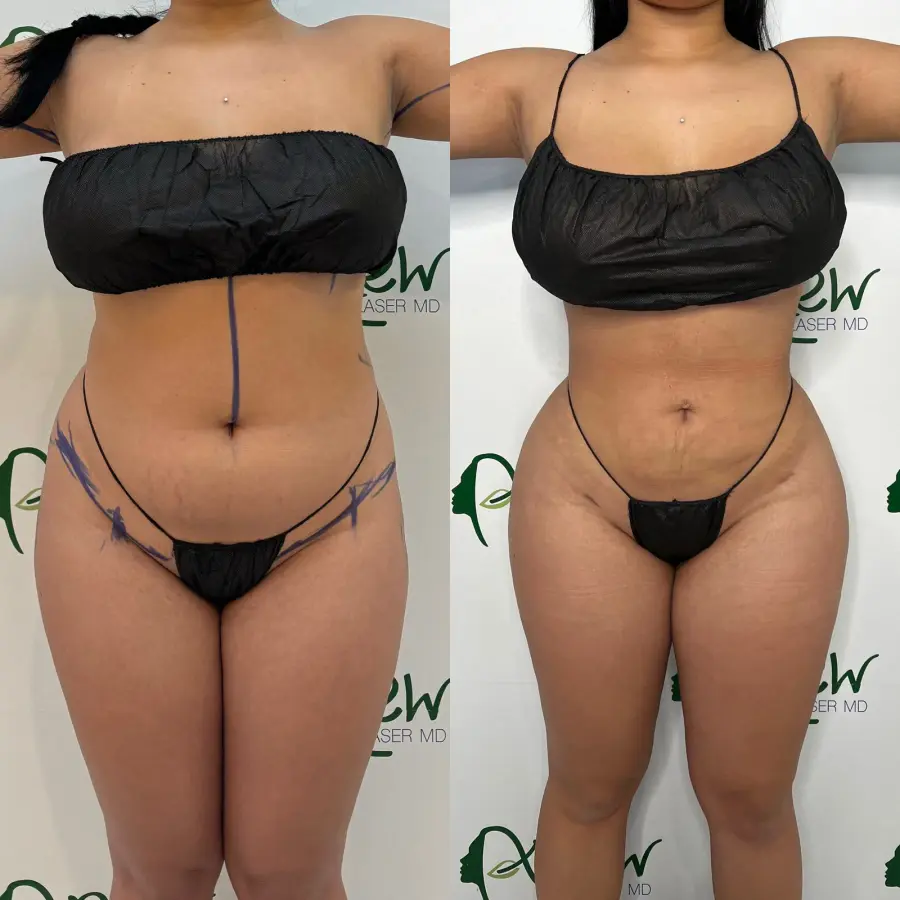
Plan the silhouette
Dr. Lin evaluates proportions, donor areas, skin quality, available fat, health history, and the change the patient hopes to achieve.
Surgical fat transfer
An awake BBL combines targeted liposuction with transfer of a patient’s own fat to the buttocks. The consultation determines whether this approach, the planned treatment areas, and local anesthesia are appropriate for you.
Procedure guide
An awake Brazilian butt lift combines liposuction of selected donor areas with transfer of a patient's own fat to the buttocks. For appropriate candidates, local anesthesia and comfort measures are used instead of general anesthesia.
“Awake” describes the anesthesia approach; it does not make the operation non-surgical or remove the risks associated with liposuction and gluteal fat transfer. The consultation should cover the proposed treatment areas, facility, monitoring, technique, alternatives, and aftercare.
Dr. Lin evaluates proportions, donor areas, skin quality, available fat, health history, and the change the patient hopes to achieve.
Liposuction is performed in the agreed areas. Collected fat is prepared for transfer according to the treatment plan.
Fat is placed to create the planned contour. Anatomy, available donor fat, surgical judgment, and safety considerations limit what is appropriate.
Patients receive individualized instructions for compression, pressure avoidance, activity, follow-up, and symptoms that require urgent attention.
Candidacy and safety
Brazilian butt lift surgery has meaningful risks. These can include infection, bleeding, blood clots, contour irregularities, fluid collections, anesthesia-related complications, fat loss, and fat embolism. This list is not complete, and individual risk differs.
Your consultation should review your medical history, medications, nicotine use, prior procedures, healing history, available support during recovery, and whether a surgical or non-surgical alternative may be more appropriate.
Awake BBL questions
An awake Brazilian butt lift uses local anesthesia and comfort measures instead of general anesthesia when clinically appropriate. You may remain aware during parts of the procedure. The exact medication plan and what you may experience must be explained during consultation.
Using local anesthesia changes the anesthesia plan, but it does not remove the surgical risks of liposuction or gluteal fat transfer. Safety depends on patient selection, the treatment plan, technique, facility, monitoring, aftercare, and other clinical factors.
Fat is collected with liposuction from planned donor areas, commonly around the abdomen, waist, back, or other suitable areas. Available donor fat and the amount appropriate to transfer vary by patient.
Swelling, bruising, soreness, drainage, and temporary activity restrictions can occur. Compression, sitting or pressure instructions, follow-up visits, and return-to-work timing are individualized by the clinical team.
Some transferred fat may not survive, and retention varies. Healing, anatomy, technique, pressure on the area, smoking, weight changes, and adherence to aftercare can affect the final result.
Candidacy depends on medical history, medications, smoking or nicotine use, prior procedures, anatomy, available donor fat, goals, and the clinician's assessment of surgical and anesthesia risk. A consultation is required.
For a stage-by-stage overview of pressure precautions, activity, swelling, and follow-up, read the BBL recovery timeline.
Explore our fat transfer and Sculptra butt enhancement comparison for questions to discuss with your clinician.
Planning ahead? Read our guide to preparing your home for BBL recovery. Follow your clinical team's individualized instructions.
If the form does not load, call (888) 978-7225 or book online.